

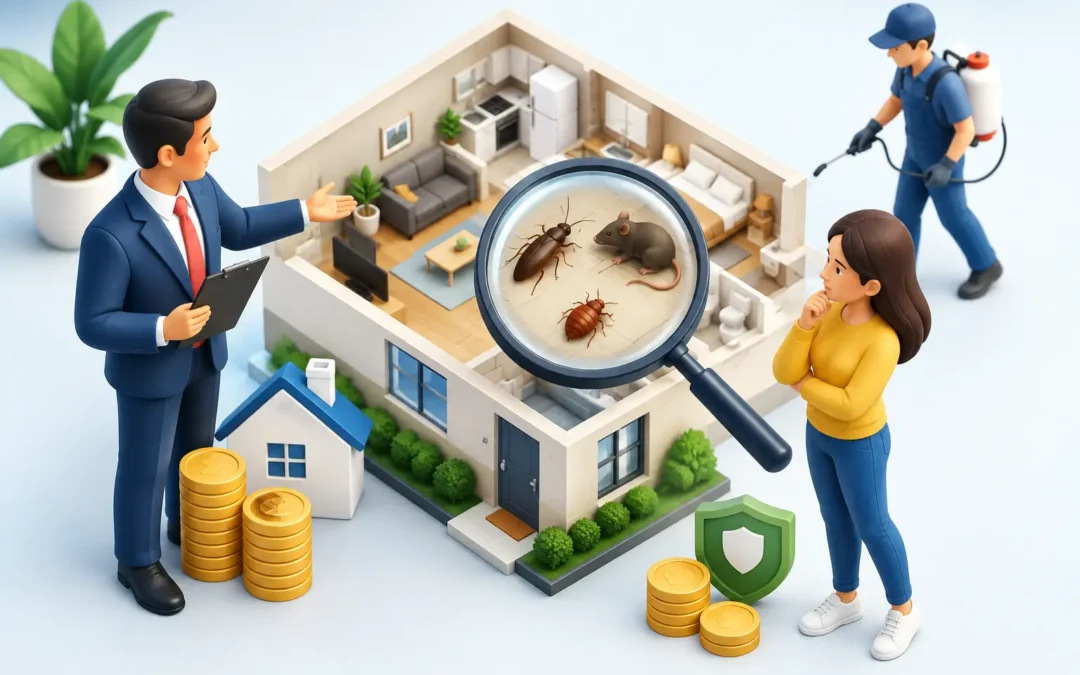
A tenant reports cockroaches in the kitchen on Friday afternoon. By Monday, the problem has spread through plumbing gaps, neighboring units are complaining, and the cost has climbed. Landlord pest responsibility is not just a question of who pays the invoice. It is about responding quickly enough to protect the property, the people in it, and the landlord’s ability to resolve the issue before it becomes a larger dispute.
For most rental properties, the practical answer is simple: do not wait to determine fault before taking reasonable steps to control an active infestation. The legal answer can vary by state, city, lease terms, property condition, and the pest involved. Fast reporting, clear documentation, and professional treatment give everyone a better chance of reaching a fair outcome.
Landlord Pest Responsibility Starts With Habitable Housing
In many areas, landlords must provide and maintain a livable rental home. That generally includes keeping the building structurally sound, maintaining essential services, and addressing pest conditions that make the property unsafe or unsanitary. Rats, mice, cockroaches, bed bugs, and certain fly infestations can create health concerns, contaminate food, damage materials, and affect more than one unit.
When pests are connected to a building issue, responsibility usually falls on the landlord. Common examples include holes around pipes, broken window screens, damaged weather stripping, leaking plumbing, overflowing dumpsters, gaps in exterior walls, or shared utility lines that allow pests to travel between apartments. A tenant cannot reasonably stop mice from entering through an unsealed foundation gap, and one unit cannot solve cockroaches moving through a multi-family building.
That does not mean every bug sighting requires a building-wide emergency response. A single spider or occasional ant may be a normal seasonal issue. But repeated activity, visible nesting, droppings, bites, insect sightings in multiple rooms, or pests appearing in common areas call for a prompt inspection. Delays turn small problems into expensive problems.
Multi-unit properties require a property-wide view
Apartment buildings, duplexes, townhomes, and condos can make pest responsibility more complicated because pests do not respect unit boundaries. Bed bugs can move between rooms and units. Roaches can travel through wall voids, drains, and appliance connections. Rodents often follow utility routes from one area of a building to another.
Even if an infestation is first reported by one tenant, the source may be elsewhere. Treating only the reporting unit can waste money and leave residents frustrated when pests return. A qualified pest professional should assess adjacent units, common areas, garbage storage, entry points, and conditions that support the infestation. For landlords, this approach protects the entire property instead of repeatedly paying for incomplete treatments.
When a Tenant May Be Responsible for Pest Costs
Tenants are usually expected to keep their home reasonably clean, dispose of garbage properly, report maintenance concerns, and follow preparation instructions for treatment. If a pest issue is clearly caused by a tenant’s actions or failure to cooperate, the tenant may be responsible for some or all related costs, depending on local law and the lease.
For example, a tenant may be liable when there is documented evidence of excessive garbage buildup, food waste left accessible, unauthorized animals that bring in fleas, or refusal to allow required treatment access. Damage caused by the tenant, such as a torn screen or an exterior door left unable to close, may also affect responsibility if it directly allowed pests inside.
The key word is documented. Assumptions create conflict. Cockroaches, for instance, are often blamed on poor housekeeping, but they can arrive in deliveries, used appliances, neighboring units, or building voids. Bed bugs are not proof that a tenant is unclean. They can be brought in through luggage, visitors, secondhand furniture, or adjacent units. A landlord should avoid assigning blame without a professional inspection and a clear record of the conditions found.
Lease language matters, but it has limits
A lease may explain routine pest prevention, tenant housekeeping duties, inspection access, and charges for tenant-caused damage. It cannot necessarily remove a landlord’s legal duty to maintain habitable conditions. Rules differ by jurisdiction, so property owners should use lease language that complies with local landlord-tenant law and seek legal guidance when a dispute is serious.
A good lease does not replace good property maintenance. It supports it by setting clear expectations before a problem begins. Tenants should know how to report pests, what information to provide, how quickly treatment may be scheduled, and what preparation is required.
Fast Reporting Protects Both Sides
Tenants should report pest activity as soon as they see signs of a problem. Waiting because they are embarrassed, uncertain, or hoping the pests disappear can allow an infestation to establish itself. A useful report includes the pest seen, the date and time, the room, how often activity occurs, and photos when possible. Signs such as droppings, shed skins, bites, gnaw marks, nests, or damaged food packaging should also be reported.
Landlords should acknowledge the report promptly and create a written record. Even when responsibility is unclear, arrange an inspection quickly. This demonstrates a reasonable response and helps preserve evidence before cleaning, moving, or DIY products change the situation.
Communication should remain factual. Instead of saying, “You caused this,” document what was observed: food debris under appliances, unsealed exterior gaps, a leaking pipe, cockroach activity in adjoining units, or evidence of a prior infestation. That record makes it easier to determine the next steps and reduces arguments later.
What a Proper Pest Response Looks Like
Spraying a visible pest without finding the source rarely solves the problem. Effective pest control combines treatment with exclusion, sanitation recommendations, monitoring, and follow-up. This is especially true for bed bugs, cockroaches, rats, mice, and fleas.
For landlords, an effective response usually includes these five actions:
- Inspect the affected unit and nearby areas to identify the pest, source, and extent of activity.
- Correct property defects, such as leaks, entry gaps, damaged screens, loose door sweeps, or waste-storage problems.
- Use a licensed pest control provider that can recommend the right treatment and schedule follow-up service when needed.
- Give tenants clear preparation instructions and reasonable notice for entry, consistent with local rules.
- Keep records of complaints, inspections, repairs, treatments, tenant communications, and invoices.
Integrated pest management is often the most cost-effective route because it targets why pests are present rather than relying only on pesticide applications. Sealing a rodent entry point matters. Removing a water source for roaches matters. Preparing a room correctly for bed bug treatment matters. Skipping these steps can lead to repeat service calls and higher costs.
Treatment cooperation is not optional
A professional treatment can fail when residents do not prepare the unit, repeatedly bring in untreated items, or deny access for follow-up visits. Landlords should provide instructions in writing and make them specific. Tell tenants what to bag, clean, move, or leave in place, and explain why those steps affect results.
At the same time, instructions need to be realistic. Bed bug preparation, for example, can be difficult for older adults, families with young children, or tenants with limited mobility. A practical landlord looks for workable solutions, such as phased preparation, additional service coordination, or clear assistance options. A treatment plan only works when people can follow it.
Bed Bugs and Cockroaches Need Extra Care
These two pests cause some of the most difficult landlord-tenant disputes because they spread easily and can be hard to trace to one source. A single bed bug report should be taken seriously. Early inspection and targeted treatment may prevent a building-wide issue. Waiting for more complaints is a costly gamble.
Cockroaches demand the same urgency, particularly in multi-unit housing. Seeing one roach during the day can indicate a larger hidden population, especially if it is a small German cockroach. Professional technicians look beyond the kitchen counter. They inspect behind appliances, under sinks, around pipe penetrations, inside utility areas, and in connected units.
Super Pest Control has completed more than 10,000 bed bug and cockroach treatments, and the lesson is consistent: fast action, correct preparation, and follow-up treatment save money compared with repeated quick fixes.
Protect the Property Before the Problem Spreads
The best time to address landlord pest responsibility is before a tenant calls with an active infestation. Regular inspections, maintained seals and screens, repaired plumbing leaks, covered trash, and clear reporting procedures reduce risk across the property. When a report does arrive, respond professionally, document the facts, and bring in qualified help before the pests gain ground.
A fast, fair response gives tenants confidence, protects the condition of the rental, and keeps a manageable pest issue from becoming a long and expensive problem.