

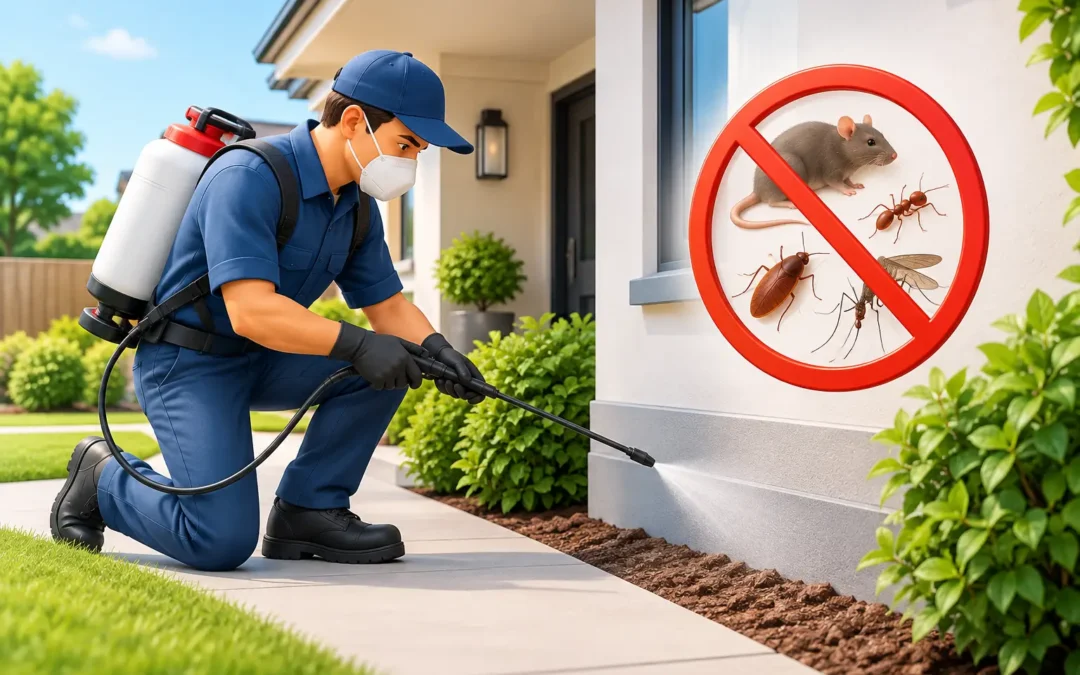
A mouse moving behind the wall at night, a cockroach under the sink, or bites appearing after sleep can turn a normal day into an urgent problem. Professional extermination services are designed to identify the pest, locate the source, treat the active infestation, and help prevent the issue from returning. The right response is fast, targeted, and based on what is actually happening in your home or business.
When Extermination Services Are the Right Call
One insect does not always mean an infestation. A single spider, fly, or ant may have wandered inside. But repeated sightings, droppings, bites, strange smells, nesting material, property damage, or pests seen during daylight are different. Those signs usually mean the population is established somewhere you cannot easily reach.
Bed bugs, cockroaches, rats, mice, fleas, wasps, hornets, and carpenter ants are especially poor candidates for a wait-and-see approach. These pests reproduce, spread through connected spaces, contaminate food areas, damage structures, or create a real risk of stings and allergic reactions. In apartments, condos, restaurants, offices, and retail properties, a delayed response can also affect neighboring units, employees, customers, and your reputation.
Store-bought sprays can kill a few visible pests, but they often miss eggs, hidden harborages, nests, and entry points. In some cases, improper products push pests deeper into walls or cause them to move to another room. Effective control starts with a proper inspection, not guesswork.
What Professional Extermination Services Should Include
A reliable pest control visit should do more than apply a product and leave. The technician needs to understand where pests are coming from, how serious the activity is, and what conditions are supporting it. That is how treatment becomes efficient instead of repetitive.
For most infestations, the process begins with an inspection. A trained technician checks likely hiding areas, entry points, moisture sources, food access, nesting locations, and signs of activity. In a rodent case, this may include attic spaces, utility penetrations, gaps around pipes, garages, basements, and exterior foundations. For cockroaches, the focus may be behind appliances, under sinks, around plumbing, and inside cabinet voids.
Treatment should match the pest and the property. Bed bugs may require a detailed room-by-room plan, targeted applications, and follow-up visits based on the level of activity. Rodent control often combines removal, trapping, exclusion work, and sanitation recommendations. Wasp and hornet control requires safe nest treatment, particularly when the nest is in a wall, roofline, shed, or high exterior location.
A strong service plan also uses integrated pest management. This means combining proven treatment methods with practical prevention: closing entry points, reducing food and water sources, removing harborage, and monitoring for continued activity. Eco-friendly pest control does not mean doing too little. It means using responsible, targeted methods while keeping people, pets, and the environment in mind.
The Pest Changes the Treatment Plan
There is no one-size-fits-all extermination method. The product, placement, timing, and follow-up needs depend on the pest, the size of the infestation, and the type of property.
Bed Bugs Need Detail, Not Quick Sprays
Bed bugs are small, mobile, and skilled at hiding in mattress seams, bed frames, furniture joints, baseboards, outlets, and nearby cracks. They can spread through multi-unit buildings and travel in bags, clothing, or furniture. A successful treatment plan requires careful preparation, targeted treatment, and clear instructions for reducing clutter and laundering affected items.
If you suspect bed bugs, avoid moving belongings from room to room or throwing furniture into common areas. That can spread the problem. Keep the room as stable as possible and arrange a professional inspection quickly.
Cockroaches Require Source Control
Cockroaches thrive where food, warmth, moisture, and hiding places are available. Kitchens, bathrooms, laundry areas, break rooms, and utility spaces are common hotspots. Seeing roaches during the day can indicate heavier activity because the usual hiding areas are crowded.
Treatment may include precise bait placement, crack-and-crevice work, insect growth control, and sanitation guidance. Leaving food residue overnight, storing cardboard near appliances, or ignoring a leak can undermine even a well-applied treatment. The best results come when treatment and cleanup work together.
Rodents Need Removal and Exclusion
Rats and mice can contaminate food, chew wiring, damage insulation, and create persistent noise inside walls or ceilings. They can enter through surprisingly small gaps. Removing the animals without addressing the entry points often leads to a new rodent problem weeks later.
A complete rodent plan identifies active travel routes, places traps strategically, removes accessible attractants, and seals likely access points when appropriate. Property owners should also inspect outdoor garbage storage, bird feeders, pet food, vegetation near the structure, and gaps around doors.
Ants, Wasps, and Other Seasonal Pests Still Need a Plan
Ant trails, stinging insects, spiders, centipedes, millipedes, moths, and flies can range from a nuisance to a larger property issue. Ants may be traveling from an outdoor colony or nesting within a wall. Wasps and hornets become a safety concern when nests are near doors, decks, play areas, or work entrances.
The treatment decision depends on activity and location. A nest near a family patio calls for a faster response than a few insects found away from living areas. Never seal an active wasp or hornet entry point into a wall before the nest has been treated. Trapped insects may find another way into the building.
How to Prepare for a Pest Control Visit
Preparation helps technicians work safely and makes treatment more effective. The exact instructions should come from the pest control provider because bed bugs, cockroaches, rodents, and fleas all require different steps. Still, a few actions are useful in most cases.
First, make the affected areas accessible. Clear items away from sinks, baseboards, appliances, closets, and utility areas when instructed. Second, protect or remove food, dishes, pet bowls, and children’s toys from treatment zones. Third, tell the technician what you have seen, where you have seen it, and when the problem began. A clear timeline can reveal whether activity is growing, seasonal, or linked to a specific area.
Do not spray multiple over-the-counter products immediately before service unless you have been told to do so. This can interfere with professional baits and monitoring methods. It can also make pests scatter, making the source harder to locate.
For rental units and commercial spaces, communication matters just as much. Landlords, tenants, managers, and staff need a shared plan for access, preparation, follow-up, and reporting new sightings. In multi-unit properties, treating only one room or one unit may not be enough if pests are moving through walls, plumbing lines, hallways, or shared garbage areas.
Choosing a Pest Control Company Without Guesswork
Price matters, especially when an infestation creates an unexpected expense. But the lowest quote is not always the lowest total cost if it covers only a quick spray and no inspection, follow-up, or prevention guidance. Ask what is included, whether follow-up is recommended, and what you should do before and after treatment.
Look for a licensed provider with trained technicians and real experience treating the pest you have. Bed bug and cockroach work, for example, requires a different level of detail than a simple exterior seasonal treatment. Ask how the company will confirm the pest, what treatment approach it recommends, and whether the plan considers children, pets, employees, or customers on site.
Availability is also important. A rat in a restaurant, hornets near an entrance, or suspected bed bugs in a rental unit cannot always wait for a convenient appointment. Super Pest Control provides 24/7 support, certified advice, and targeted treatment for urgent residential and commercial pest problems in Hamilton, Burlington, Grimsby, Stoney Creek, and Ancaster.
Prevention Starts After the First Treatment
Treatment handles the active problem. Prevention reduces the chance of the next one. Keep food in sealed containers, clean crumbs and grease from kitchens, fix plumbing leaks, reduce clutter, and keep garbage containers closed. Outdoors, trim vegetation away from the building and check for gaps around doors, vents, utility lines, and foundations.
The right next step is simple: act while the signs are still small. A quick inspection and a clear treatment plan can protect your home, tenants, customers, and peace of mind before a manageable pest problem becomes a costly infestation.