

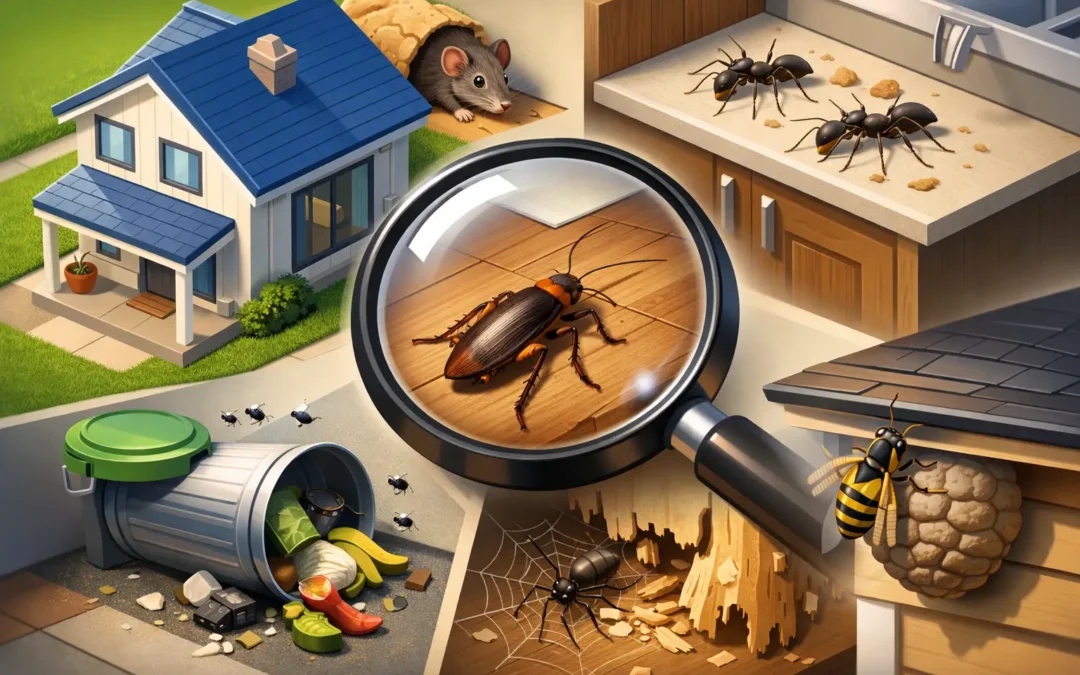
A single ant near the sink may not be an emergency. A line of ants returning every morning, mouse droppings in the pantry, or bites appearing after sleep is different. If you are asking, when should you call pest control, the answer usually comes down to activity, risk, and whether the problem is getting worse despite your efforts.
Pests do not wait for a convenient time to multiply. Many hide in walls, crawl spaces, furniture, drains, and other areas you cannot fully inspect. Calling early can mean a smaller treatment, less disruption, and lower overall cost than waiting for a visible infestation.
Call pest control when you see repeated activity
Seeing the same pest more than once is a clear warning sign. A cockroach in a restaurant kitchen, a mouse in a bedroom, or a wasp entering a wall opening is rarely a one-time event. Most pests are active when people are not watching, so the insects or rodents you see may represent only a fraction of the problem.
Repeated sightings are especially concerning when they occur in food areas, bedrooms, bathrooms, basements, utility rooms, or near garbage storage. These locations provide water, shelter, and access to food. Cleaning up is always worthwhile, but it may not remove nests, eggs, hidden entry points, or established breeding sites.
For ants, one or two scouts can sometimes be handled by removing food sources and sealing obvious gaps. If trails keep returning, however, the colony may be outdoors, under a foundation, or inside a wall. Surface sprays often kill the ants you see without reaching the colony that keeps sending more.
Call right away for pests that affect health or safety
Some pest problems should not be monitored for a week to see what happens. Bed bugs, cockroaches, rats, mice, fleas, ticks, wasps, hornets, and certain flying insects need fast attention because of the risks they can create.
Rodents can contaminate food, leave droppings, damage insulation, and chew wiring. Cockroaches can spread bacteria through kitchens and food-preparation areas, while their shed skins and droppings may aggravate allergies. Bed bugs are not known for spreading disease, but bites, lost sleep, anxiety, and the chance of carrying them to another location make prompt treatment the practical choice.
Stinging insects require extra caution. A nest near a doorway, deck, playground, attic, or business entrance can become dangerous quickly, particularly for anyone with an allergy. Do not knock down a nest, block an active opening, or spray a hidden nest without knowing where the insects will go. Disturbed wasps and hornets can become aggressive.
If anyone has trouble breathing, facial swelling, dizziness, or other signs of a severe allergic reaction after a sting, seek emergency medical care immediately. Pest control addresses the nest and the property issue, not an acute medical emergency.
When DIY steps are no longer enough
Basic prevention can solve minor, isolated problems. Store food in sealed containers, take out garbage, fix leaks, vacuum regularly, reduce clutter, and close gaps around pipes and doors. These steps also make professional treatment more effective.
The trade-off is that do-it-yourself products are often limited to what is visible and accessible. They may provide short-term relief while the underlying infestation continues. Foggers, for example, can drive pests deeper into hiding and are not a reliable solution for bed bugs or cockroaches. Using too much product, mixing chemicals, or applying treatments in the wrong place can also create unnecessary exposure for children, pets, customers, and staff.
It is time to bring in a professional when store-bought products have failed, activity returns after a few days or weeks, or you are not sure what pest you are dealing with. Correct identification matters. A small fly problem may come from drains, overripe produce, a garbage area, or moisture in a hidden space. Treating the wrong source wastes time and money.
Signs of a hidden infestation
You do not need to see a pest running across the floor to have a serious issue. Look for evidence that something is active behind the scenes. Common signs include:
- Droppings, gnaw marks, shredded paper, grease marks, or scratching sounds that suggest rats or mice
- Small dark spots, shed skins, blood marks on bedding, or unexplained bites that may point to bed bugs
- Egg cases, pepper-like droppings, a musty odor, or nighttime cockroach activity
- Damaged fabrics, pantry goods, or stored products caused by moths and other insects
- Small piles of sawdust-like material, damp wood, or insects appearing near windows and foundation areas
One sign can justify an inspection, especially in a rental unit, shared building, daycare, healthcare setting, food business, or home with young children. In multi-unit properties, pests can travel through walls, utility lines, hallways, and adjoining units. Treating one apartment without addressing the broader source may lead to repeat activity.
When should you call pest control for bed bugs and cockroaches?
Call as soon as you suspect either one. Waiting gives both pests more opportunities to spread. Bed bugs can move between rooms on clothing, bags, furniture, and bedding. Cockroaches reproduce quickly and often stay hidden near appliances, cabinets, plumbing, and wall voids.
Do not move suspected bed bug furniture into another room or put it on the curb without a plan. That can spread the problem through your home or building. Avoid sleeping in a different room if possible, because bed bugs may follow and establish another hiding area. Keep affected items contained and get a professional assessment before deciding what to discard.
With cockroaches, do not rely on a clean appearance alone. Even well-maintained homes and businesses can develop an infestation through deliveries, used appliances, neighboring units, plumbing pathways, or cardboard boxes. A professional approach should identify harborage areas, reduce food and moisture sources, and use targeted treatment methods with follow-up where needed.
Protect your property before damage grows
Rodent activity, carpenter ants, and moisture-related pest issues can become more expensive when ignored. Mice and rats can damage wires, insulation, stored goods, and ductwork. Ants may be a nuisance, but species that target damp or damaged wood can signal a moisture problem that needs repair.
Pests also create business risks. A customer seeing cockroaches, flies, rodents, or a wasp nest near an entrance can quickly lose confidence in a restaurant, retail store, office, warehouse, or rental property. For property managers and landlords, fast action protects tenants and helps prevent complaints from turning into larger building-wide issues.
The right response is not always the most aggressive treatment. A good pest control plan considers the pest, the extent of activity, the building layout, sanitation conditions, entry points, and the people using the space. Integrated pest management combines inspection, exclusion, targeted treatment, monitoring, and prevention rather than relying on repeated blanket spraying.
What to do before you call
Take a clear photo if it is safe to do so, and note where and when you saw the pest. Save any relevant details, such as bites appearing overnight, scratching in the ceiling, a recurring ant trail, or droppings under a specific appliance. This information helps a technician identify the likely source faster.
Avoid disturbing nests, moving infested belongings through the property, or applying multiple chemicals before an inspection. You can remove exposed food, secure garbage, and keep pets and children away from affected areas. If you run a business, document sightings and notify the person responsible for facility maintenance so the issue is handled consistently.
You should expect clear answers about the pest, treatment options, preparation requirements, safety steps, and whether follow-up is recommended. Price matters, but a cheap one-time spray is not a value if the infestation returns because the source was never addressed.
For homeowners, tenants, landlords, and businesses dealing with active pest problems in Hamilton, Burlington, Grimsby, Stoney Creek, or Ancaster, Super Pest Control can provide experienced advice and prompt treatment. The sooner you act on repeated activity or clear warning signs, the more control you keep over your home, business, budget, and peace of mind.