

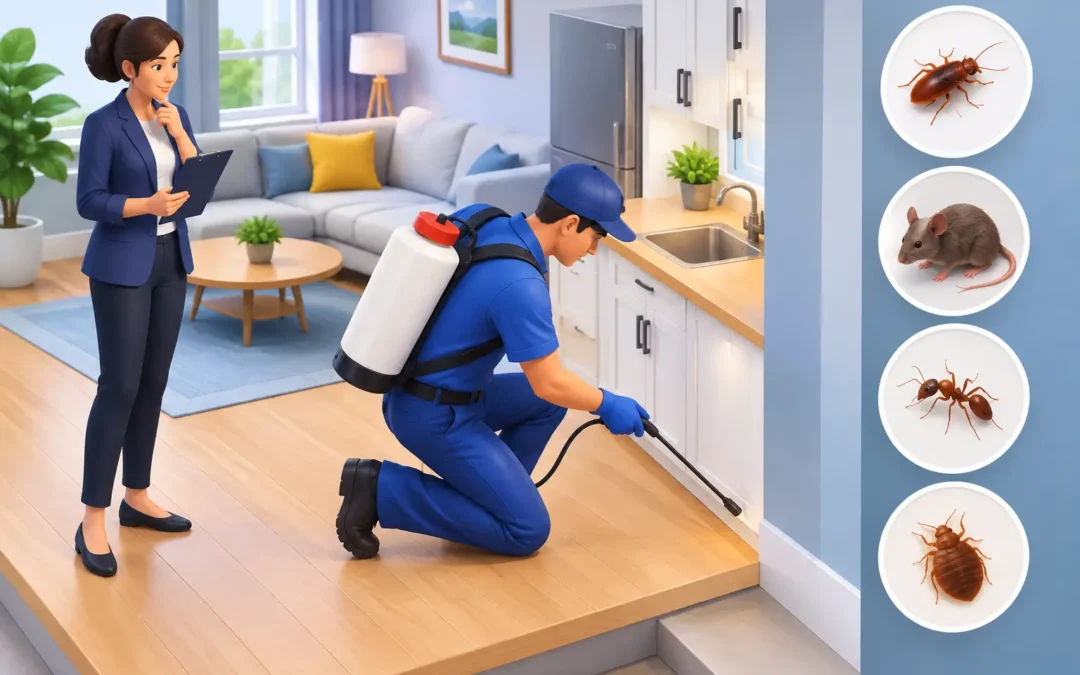
A tenant reports cockroaches under the sink, mouse droppings in a cabinet, or bites that may be bed bugs. Waiting to see whether the problem gets worse is usually the expensive choice. When should landlords treat pests? As soon as there is credible evidence of an active infestation, a condition that could attract pests, or a complaint that affects health, safety, or livability.
Pests rarely stay contained in one unit. Cockroaches move through wall voids and plumbing lines. Mice travel through ceilings and utility openings. Bed bugs can spread through shared laundry rooms, hallways, furniture, and neighboring apartments. Fast action protects tenants, limits property damage, and reduces the chance that a small treatment becomes a building-wide problem.
When Should Landlords Treat Pests Immediately?
Some reports need a same-day response. Bed bugs, cockroaches, rats, mice, wasps inside a living space, fleas, and biting insects should not sit on a maintenance list for days. These pests can affect sleep, contaminate food areas, trigger allergies, cause anxiety, or create a real injury risk.
Treat immediately when a tenant provides photos, a captured specimen, droppings, nesting material, shed skins, egg cases, bite reports, or repeated sightings. One live cockroach in a multi-unit building can indicate more activity nearby. One mouse sighting may mean entry points, nesting, and food access are already present. With bed bugs, early professional inspection is critical because the infestation may be hidden in bed frames, baseboards, upholstered furniture, and wall cracks.
Water problems also call for quick action. Leaks beneath sinks, damp basements, overflowing drains, and moisture around appliances create favorable conditions for cockroaches, centipedes, ants, and flies. Pest treatment without fixing the moisture source may provide temporary relief, but the issue can return.
A prompt inspection does not mean every complaint requires the same treatment. It means taking the report seriously, identifying the pest accurately, and choosing the right response before it spreads.
Treat Pests Before a Vacancy Becomes a New Infestation
Vacant units are not pest-free by default. They can hold hidden bed bugs, cockroach harborages, mice, pantry pests, or flies, especially if food debris, garbage, water leaks, or abandoned furniture remain. A turnover inspection should include more than paint, locks, and appliances.
Check kitchens, bathrooms, utility rooms, closets, baseboards, window areas, under sinks, behind refrigerators, and around pipe penetrations. Look for droppings, gnaw marks, grease trails, insect activity, damaged screens, gaps around doors, and moisture. If there is evidence of pests, arrange treatment before the next tenant moves in.
This timing matters for two reasons. First, an empty unit gives technicians better access to the areas pests use to hide. Second, treating before move-in avoids disputes over whether a new tenant caused the problem. It also protects your reputation with renters who expect a clean, habitable home on day one.
Do Not Wait for Multiple Complaints
Landlords sometimes wait until several tenants report the same pest. That approach can be reasonable for identifying a pattern, but it is risky as a response plan. Tenants do not always report pest activity right away. Some try store-bought sprays first. Others worry they will be blamed or charged. By the time multiple complaints arrive, the infestation may already be established.
A single report may justify inspection and monitoring. Repeated sightings, physical evidence, or a pest with a high spread risk justifies treatment. In multi-unit properties, the affected unit may not be the source. Treating only the apartment where the complaint started can miss the pest pressure coming from an adjacent unit, a garbage area, a shared utility space, or an exterior entry point.
For cockroaches, bed bugs, rats, and mice, ask a pest professional whether nearby units or common areas should be inspected. Targeted treatment is often more affordable than waiting until every unit needs service.
Who Is Responsible for Pest Treatment?
Responsibility depends on local habitability rules, the lease, the pest involved, and the cause of the infestation. In many cases, landlords are responsible for keeping rental housing in safe, livable condition and addressing structural issues that allow pests inside. Tenants also have responsibilities, such as reporting problems promptly, keeping the unit reasonably sanitary, and preparing for treatment when required.
Avoid making assumptions or accusing a tenant before the inspection. A clean tenant can have bed bugs brought in through travel, visitors, used furniture, or neighboring units. Cockroaches can enter through shared plumbing and walls. Mice can enter through a gap around a pipe or damaged weatherstripping. The cause is not always obvious from the first complaint.
Document the report, your response time, inspection findings, repair work, treatment recommendations, tenant preparation instructions, and follow-up visits. Clear records help resolve disagreements and show that you acted reasonably. If you need legal guidance on a specific dispute, consult the applicable local rules or a qualified attorney.
The Right Treatment Depends on the Pest
A general spray is not a reliable answer to every infestation. Bed bugs often require detailed inspection, targeted applications, preparation by occupants, and follow-up service. Cockroach control works best when treatment is paired with sanitation, crack-and-crevice work, moisture repairs, and monitoring. Rodent control requires trapping or baiting where appropriate, plus exclusion work to close entry points.
Ants may need exterior and interior treatment, but identifying the species and nest location makes a major difference. Flies can be controlled only after the breeding source is removed. Wasps and hornets need careful nest treatment, particularly when the nest is near entrances, roofs, decks, or areas used by children and pets.
Integrated pest management is the practical approach: inspect, identify, treat, remove food and water sources, seal access points, and confirm results. It reduces unnecessary pesticide use while addressing why pests were there in the first place.
Give Tenants Clear Instructions and a Real Timeline
Once treatment is scheduled, tenants need simple instructions. Tell them what pest was found or suspected, when the technician will arrive, what preparation is needed, whether pets must be removed, and what to expect afterward. Vague notices create missed appointments and incomplete treatments.
Preparation may include emptying lower cabinets, laundering bedding, reducing clutter, moving furniture away from walls, removing food from counters, or allowing access to utility areas. The instructions should match the pest and treatment plan. Asking a tenant to do unnecessary work can damage cooperation; failing to request necessary preparation can reduce treatment results.
Set expectations honestly. Some pests are resolved in one visit, while bed bugs, cockroaches, rodents, and fleas may need follow-up. A reputable technician should explain the likely timeline, the signs of continued activity, and when the landlord or tenant should call back.
Prevent the Next Pest Complaint
The best time to treat pests is before tenants are affected, but prevention must be ongoing. Keep garbage areas clean and covered, repair leaks quickly, seal exterior gaps, maintain door sweeps and screens, and inspect common areas routinely. Address overgrown vegetation, standing water, and clutter near the building that can provide shelter for rodents and insects.
For landlords managing properties in Hamilton, Burlington, Grimsby, Stoney Creek, or Ancaster, seasonal changes can increase pest pressure. Rodents seek warmth as temperatures drop, while ants, wasps, flies, and spiders become more active in warmer months. Scheduling inspections around those patterns can catch issues before they become urgent tenant complaints.
Super Pest Control helps landlords identify active pest activity quickly and build treatment plans that fit occupied units, turnovers, and multi-unit properties. Experienced service, clear preparation guidance, and follow-up support can make a stressful report manageable.
The practical rule is simple: respond to every pest report, inspect quickly, and treat as soon as evidence shows an active or likely infestation. A fast, documented response protects your tenants, your building, and the cost of solving the problem.