

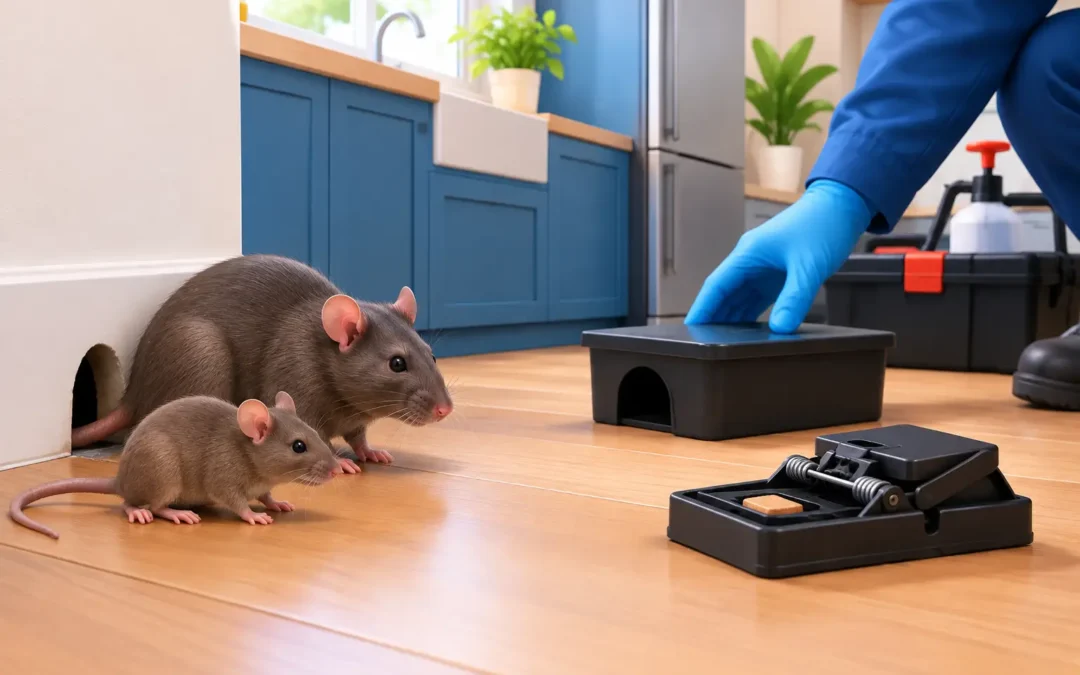
A mouse behind the stove or rat droppings in the basement can become a much larger problem faster than most people expect. Effective rodent control is not just about removing the animal you see. It means finding where mice or rats are entering, eliminating the conditions that support them, and preventing the next infestation before it starts.
For homeowners, tenants, landlords, and business owners, speed matters. Rodents contaminate food, chew wiring, damage insulation, and can create serious stress in homes and workplaces. The right response is targeted, safe, and built around the actual source of the activity.
Why Rodent Problems Get Worse So Quickly
Mice and rats are built to exploit small gaps and quiet spaces. A mouse can fit through an opening around the size of a dime, while rats can enter through damaged vents, gaps around utility lines, loose doors, and foundation cracks. Once inside, they look for three things: food, water, and a sheltered place to nest.
Kitchens, basements, garages, utility rooms, attics, storage areas, and drop ceilings are common hiding places. In apartment buildings, townhomes, and commercial properties, rodents can also move between units through wall voids, plumbing penetrations, and shared service areas. Treating only one room may reduce sightings temporarily, but it will not solve an infestation that is active elsewhere in the building.
A single mouse sighting does not always mean a major infestation. Still, it should be taken seriously. Mice reproduce quickly, and rats are cautious enough to remain hidden until their numbers increase. Waiting for repeated sightings often means the issue has already spread.
Signs You Need Rodents Control Now
Rodents are most active when people are not around, so visible animals are only one warning sign. Fresh droppings are usually dark and soft, while older droppings become gray and dry. Finding them near food storage, under sinks, in drawers, behind appliances, or along baseboards is a strong sign of active movement.
Other signs deserve immediate attention:
- Scratching, squeaking, or scurrying sounds in walls, ceilings, or attics, especially at night
- Gnaw marks on food packaging, wood, plastic, wires, or stored belongings
- Shredded paper, insulation, fabric, or cardboard used as nesting material
- Greasy rub marks along walls, pipes, or entry points from repeated travel
- A persistent musky odor in enclosed spaces, cabinets, or storage rooms
Do not ignore chewed electrical wiring. Beyond property damage, exposed wires can create a fire hazard. Restaurants, offices, retail stores, warehouses, and rental properties also face sanitation concerns and potential reputational damage when rodents are present.
Rodent Control Starts With the Entry Points
Trapping or baiting can reduce an active population, but exclusion is what keeps rodents from coming back. A proper inspection looks beyond the obvious. Technicians check the roofline, garage, foundation, exterior doors, window wells, vents, utility connections, crawl spaces, and areas around decks or sheds.
Common entry points include gaps under garage doors, torn screens, open dryer vents, cracks around pipes, and damaged weather stripping. Mice often use openings that homeowners would not consider large enough. Rats may take advantage of wider structural gaps, broken drain covers, or areas where vegetation provides hidden access to the building.
Sealing access points is not always a quick do-it-yourself job. It depends on the construction of the property and the extent of the infestation. Closing a hole without addressing rodents already inside can force them into other areas of the home. That is why a treatment plan should pair exclusion work with active removal and follow-up monitoring.
The Best Treatment Depends on the Rodent and Property
There is no one-size-fits-all answer to rat and mouse control. The right method depends on the species, the location of activity, the number of entry points, and whether children, pets, tenants, customers, or food preparation areas are involved.
For a small mouse issue in a single-family home, strategically placed traps and careful exclusion may be enough. A property with repeated activity in the attic, walls, garage, and kitchen may require a broader plan with multiple treatment points and return visits. Rat activity around garbage areas, landscaping, sheds, or commercial loading zones often requires exterior management as well as interior protection.
Professional rodent control uses an integrated approach. This can include inspection, trapping, secured bait stations where appropriate, sanitation advice, exclusion recommendations, and monitoring. The goal is to use the least disruptive effective method while dealing with the infestation thoroughly.
Be cautious with loose poison or unprotected bait. Improper use can put children, pets, wildlife, and non-target animals at risk. It can also lead to rodents dying in inaccessible wall voids, creating odor problems. A trained technician can determine whether baiting is necessary and use secured products according to the property and situation.
What You Can Do Before Service Arrives
A professional visit is the fastest route to a complete diagnosis, but a few practical steps can limit food and shelter while you wait. Store dry goods, pet food, and bird seed in sealed containers. Clean crumbs and grease from behind appliances when it is safe to do so, and do not leave pet bowls out overnight.
Move cardboard, paper bags, and clutter away from walls in basements, garages, and storage rooms. Rodents use these materials for nesting and prefer spaces where they can travel unseen. Keep garbage containers closed, clean up fallen fruit outdoors, and avoid piling firewood directly against the home.
Avoid sweeping or vacuuming large amounts of droppings dry. This can stir contaminated dust into the air. Wear gloves, ventilate the area, and use an appropriate disinfecting method before carefully removing droppings. If the contamination is extensive, especially in an attic or crawl space, professional cleanup advice is the safer choice.
Rodent Control for Rental and Commercial Properties
Rental properties need quick action because a rodent issue can affect multiple units and create conflict between tenants, owners, and property managers. Document reported activity, inspect common areas, and address structural access points as early as possible. Simply placing traps in one apartment will not resolve a building-wide issue if rodents are traveling through connected walls or utility spaces.
Commercial properties have even less room for delay. Food businesses, retail locations, offices, warehouses, and healthcare-related spaces need a reliable response that protects operations and helps prevent repeat activity. Ongoing monitoring may be worthwhile for businesses near waste areas, older buildings, rail corridors, or dense urban zones where rodent pressure is consistent.
For properties in Hamilton, Burlington, Grimsby, Stoney Creek, and Ancaster, seasonal changes can increase indoor rodent activity. Cooler weather pushes mice and rats toward warm structures, but summer activity around outdoor food sources and garbage areas can create problems too. Prevention should be maintained year-round, not only when temperatures drop.
When to Call a Professional
Call for professional help when you see repeated droppings, hear activity in walls or ceilings, find signs in food areas, discover chewed wires, or suspect rats. You should also call when do-it-yourself traps are catching rodents repeatedly, because this usually points to an unresolved entry point or a larger population.
Super Pest Control provides practical rodent inspections and targeted treatment for homes and businesses that need fast relief. A licensed, experienced technician can identify the species, locate likely travel routes, recommend exclusion priorities, and build a treatment plan around your property rather than relying on guesswork.
The best time to handle a rodent problem is before it becomes a repair bill, a sanitation issue, or a source of ongoing worry. If you have seen the signs, clear the food sources you can, avoid disturbing contaminated areas, and arrange an inspection while the infestation is still easier to contain.