

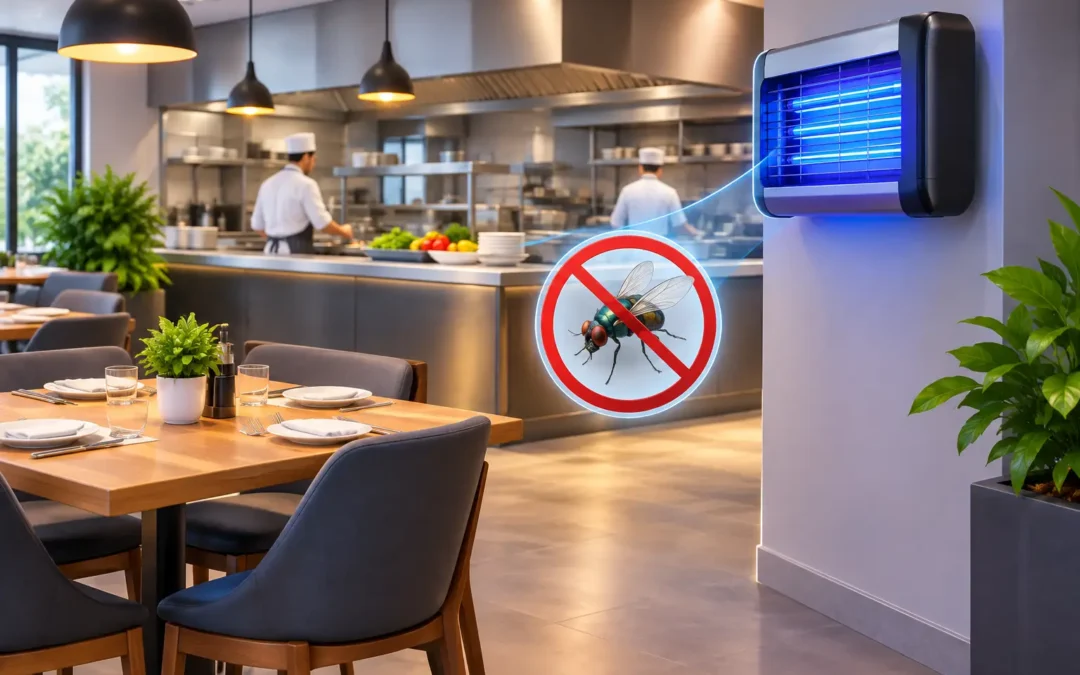
A single fly near a dining table can change how a guest sees your entire operation. They may not know whether it is a fruit fly, drain fly, or house fly, but they will notice it – and they may mention it in a review. Effective fly control for restaurants protects more than comfort. It helps protect food safety, staff morale, health inspection readiness, and the reputation you work hard to build.
Flies are rarely solved by spraying the occasional insect in the air. The visible flies are usually a symptom of a breeding source nearby. Fast, professional control starts by identifying the species, finding the source, and correcting the conditions that keep attracting them.
Why Restaurant Fly Problems Escalate So Quickly
Restaurants give flies exactly what they need: moisture, warmth, food residue, organic waste, drains, produce, recycling, and frequent open doors. A small issue behind a bar or under a prep sink can become a front-of-house problem within days.
Fruit flies are common around ripening produce, liquor bottles, soda lines, recycling, and spilled syrups. Drain flies breed in the organic film that develops inside floor drains, sink drains, mop sinks, and grease-contaminated plumbing areas. House flies often enter through loading doors, damaged screens, and open entrances, then feed around garbage, food waste, and outdoor dumpsters. Phorid flies may point to a more serious moisture or plumbing issue, especially when they appear around drains or lower-level areas.
The species matters because the treatment plan changes. A UV fly light may catch adult flies, but it will not remove the sludge inside a drain. A clean dining room will not stop flies if a leaking pipe is creating hidden moisture behind a wall. Good fly control is targeted, not one-size-fits-all.
Fly Control for Restaurants Starts at the Source
The fastest lasting results come from removing breeding and feeding areas. Your kitchen team already handles demanding sanitation routines, but fly prevention requires attention to details that are easy to miss during a busy service.
Start with drains. A drain can look clean at the surface while holding organic buildup along its inner walls. That buildup feeds larvae and allows drain flies to keep reproducing. Mechanical cleaning with the right brush, followed by an appropriate drain treatment, is far more effective than pouring random chemicals into the drain. Chemical products may move through the pipe without removing the film where flies develop.
Check floor drains, bar sinks, dishwashing areas, mop sinks, ice machine drains, and drains that are used only occasionally. Infrequently used drains can dry out or collect debris, creating an inviting environment for flies and allowing odors to travel into the building.
Food and beverage residue needs the same level of attention. Wipe down syrup racks, bottle wells, under-counter coolers, soda stations, and areas beneath equipment. Empty and rinse recycling containers often, especially those holding bottles and cans. Produce should be rotated, damaged items should be discarded promptly, and compost containers should be sealed and removed on a reliable schedule.
Do Not Overlook the Dumpster Area
A clean kitchen can still have a fly issue if the exterior waste area is neglected. Overflowing dumpsters, leaking garbage bags, loose lids, and unwashed recycling bins attract flies outdoors and create a steady path toward back doors and loading areas.
Keep lids closed, clean spills around the enclosure, and avoid storing cardboard or garbage bags beside the dumpster. If waste pickup is not frequent enough for your volume, changing the schedule may cost less than dealing with repeated fly activity and unhappy guests.
Stop Flies From Getting Inside
Source control handles breeding, but exclusion reduces the number of new flies entering the building. This is especially important for restaurants with patios, delivery doors, drive-thru windows, or busy receiving areas.
Inspect door sweeps, screens, window seals, and wall penetrations around pipes and utility lines. Even a small gap can become an entry point. Make sure self-closing doors close fully and are not being propped open during deliveries. If a back door must stay open for extended periods, an air curtain or strip curtain can help, though it needs proper installation and regular maintenance to work well.
Outdoor lighting can also affect fly pressure. Bright lights near entryways may draw insects toward doors after dark. When practical, move lighting away from entrances or use fixtures designed to reduce insect attraction. This will not eliminate flies on its own, but it can reduce pressure where it matters most.
Use Fly Lights and Treatments the Right Way
Commercial insect light traps can be useful, but placement is critical. Put them where they can intercept flies before they reach customer areas, such as near back-of-house entry points, corridors, dish areas, or receiving rooms. Avoid placing a light trap directly over food preparation surfaces or in a location where guests can see trapped insects.
Glue-board units are often a better choice than electric grid units in food-service environments because they capture insects instead of potentially scattering fragments. Units should be serviced on schedule. A full glue board is not only less effective, it can become a sanitation concern.
Targeted insecticide applications may be appropriate when adult fly numbers are high, but they should support sanitation and exclusion rather than replace them. In a restaurant, treatment selection and application must account for food, utensils, prep surfaces, customers, ventilation, and staff schedules. This is not the place for broad, improvised spraying.
A trained pest control technician can use integrated pest management methods to match the treatment to the fly species and the layout of your facility. That may include monitoring devices, drain treatments, carefully placed residual products, exterior management, and recommendations for sanitation or maintenance changes.
Build a Routine Your Staff Can Actually Follow
The best prevention plan is one your team can maintain during a lunch rush, closing shift, and weekend service. Assign clear responsibilities instead of relying on general reminders to keep areas clean.
A daily closing routine should include wiping down bar and beverage areas, removing food debris from hard-to-reach spaces, emptying interior trash, rinsing recycling, and checking that drains are free of visible buildup. Weekly tasks can include deep cleaning under equipment, inspecting the dumpster area, cleaning floor drains, and checking door seals. Managers should also watch for patterns, such as flies appearing at the same bar station, sink, or delivery entrance.
Keep a simple log of sightings. Note where flies are seen, when activity is highest, and whether they are clustered around a particular drain, waste area, or food station. This gives your pest professional useful information and helps separate an isolated issue from an ongoing breeding problem.
When to Call a Professional for Restaurant Fly Control
Call for professional help when flies continue after cleaning, when staff see flies every day, or when activity is concentrated around drains, walls, or a specific area. Persistent drain or phorid fly activity can signal buildup that routine cleaning cannot reach, a damaged drain line, hidden moisture, or another structural condition that needs attention.
You should also act quickly if guests have noticed the problem, employees are reporting flies in food-service areas, or you are preparing for an inspection. Waiting for a small problem to become visible throughout the dining room is rarely the affordable option.
Super Pest Control provides practical commercial fly treatment plans built around inspection, source removal, targeted control, and prevention. A qualified technician can identify what is attracting the flies, address active activity, and help your team reduce the conditions that bring them back.
Your guests should leave remembering the food, service, and atmosphere – not the fly that landed near their table. Address the source early, keep prevention routines consistent, and bring in experienced help before a minor nuisance becomes a public problem.