

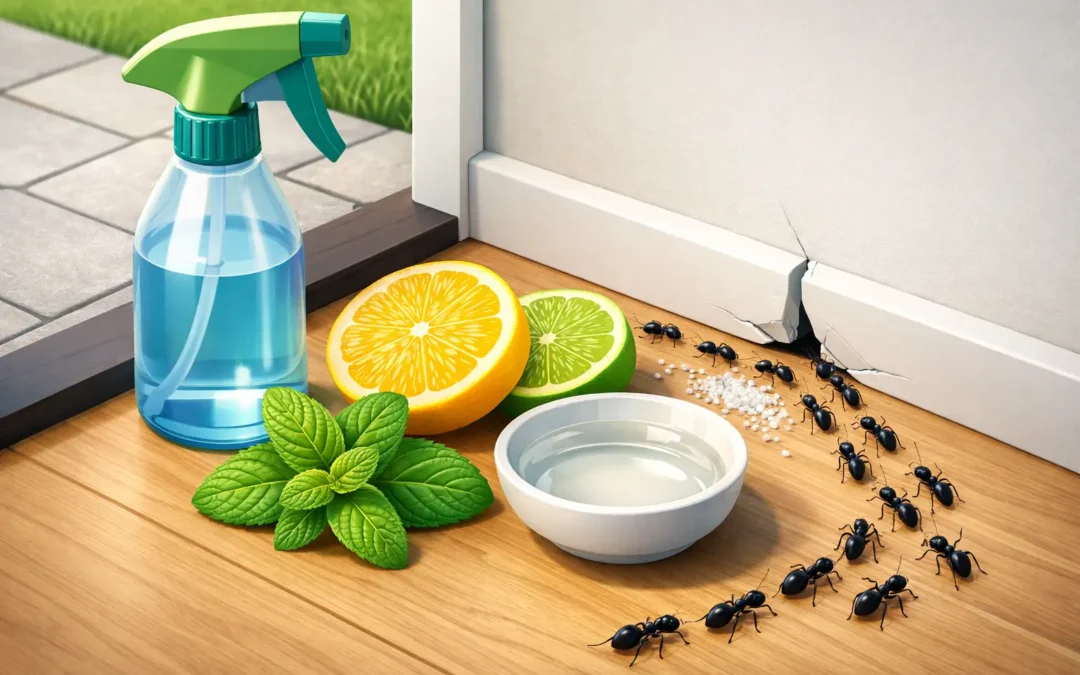
A line of ants crossing the kitchen counter is rarely random. It usually means scouts found food, water, or an easy route into your home, then left a scent trail for the colony to follow. If you are wondering how to keep ants out naturally, the answer starts with removing what brought them inside and blocking the paths they use every day.
Natural prevention can work very well for a few scout ants or a small seasonal problem. But if trails keep returning, you may be dealing with a nearby nest, moisture issue, or an ant colony established inside a wall, floor, or foundation. The goal is to act early, before a minor nuisance becomes a larger infestation.
How to Keep Ants Out Naturally at Home
The most effective natural approach is not one strong-smelling ingredient. It is a combination of sanitation, exclusion, and moisture control. Ants are persistent, but they need access to resources. Take those resources away and their route becomes much less useful.
Start by following the trail. Look around windows, baseboards, plumbing openings, doors, and cracks where the floor meets the wall. In kitchens, inspect behind small appliances, under the sink, and around pet food bowls. Outdoor trails often lead to gaps in siding, foundation cracks, utility lines, or branches touching the house.
Once you identify the route, wipe it with warm soapy water. This removes food residue and helps disrupt the pheromone trail that tells other ants where to go. Vinegar diluted with water can also be used on many hard surfaces, although it should be tested first on natural stone, unsealed grout, and delicate finishes.
Do not rely on surface cleaning alone. If the same trail appears within a day or two, the ants are still finding something worth returning for.
Remove Food Sources Ants Can Find
Ants do not need an obvious spill to stay active. A few crumbs under a toaster, a sticky recycling bin, or a drop of syrup on a cabinet handle can support a steady trail. Sweet foods are common attractants, but ants may also seek grease, protein, pet food, and moisture.
Keep counters, stovetops, dining tables, and floors clean, especially after cooking. Store pantry staples in tightly sealed containers rather than opened bags or cardboard boxes. Wipe jars of honey, jam, peanut butter, and cooking oil before putting them away. Take kitchen garbage out regularly and rinse bottles or cans before placing them in recycling.
Pet food deserves extra attention. Rather than leaving food out all day, offer it at set meal times when possible, then clean the feeding area. If your pet needs free access to dry food, use a sealed storage container for the larger bag and sweep up scattered kibble around the bowl.
In commercial kitchens, staff rooms, rental units, and offices, the same rule applies: one neglected snack drawer or overflowing trash can can keep ants moving through the building.
Fix Moisture Problems Before They Attract More Ants
Many ant species are drawn to damp areas, and carpenter ants are especially associated with moisture-damaged wood. That does not mean every ant in a bathroom is a carpenter ant, but repeated activity around plumbing should never be ignored.
Check under sinks for slow leaks, repair dripping faucets, and dry standing water around tubs, dishwashers, and laundry appliances. Make sure bathroom and kitchen exhaust fans are working properly. Outside, clear clogged gutters, direct downspouts away from the foundation, and avoid letting mulch or wet leaves stay packed against exterior walls.
If you see large black ants indoors, particularly near damp window frames, basements, decks, or damaged wood, it is time for a closer inspection. Carpenter ants excavate galleries in wood. They do not eat it, but ongoing nesting activity can worsen existing moisture damage.
Seal the Entry Points Ants Use
Natural ant control is much more effective when you make the home harder to enter. A tiny opening around a pipe or window frame can be enough for a trail of ants.
Use caulk to seal gaps around window frames, baseboards, utility penetrations, and cracks in the foundation. Replace damaged weather stripping around exterior doors and repair torn window screens. Pay attention to door thresholds, where small gaps often go unnoticed.
Outside, trim tree branches, vines, and shrubs away from siding and rooflines. Ants can use vegetation as a bridge, bypassing ground-level barriers completely. Keep firewood, lumber, and yard debris away from the foundation, since these materials can provide damp shelter near the house.
Sealing should be done after cleaning active trails, not instead of cleaning them. Otherwise, ants may simply search for another route inside.
Natural Ant Deterrents: What Helps and What Does Not
Some household products can discourage ants temporarily, particularly when used along a known route. Their usefulness depends on the species, the size of the colony, and whether food or water is still available indoors.
Food-grade diatomaceous earth can be applied lightly in dry, inaccessible cracks and voids where ants travel. It works by damaging the insect’s protective outer layer, but it loses effectiveness when wet. Avoid creating airborne dust, and keep any powder away from children, pets, food-preparation areas, and ventilation systems.
Cinnamon, peppermint, citrus, and vinegar are often suggested as natural repellents. They may interrupt activity for a short time because of their strong smell, but they rarely eliminate a colony. Essential oils also need caution. Concentrated oils can irritate skin and may be unsafe around pets, especially cats, if used improperly. Never pour undiluted oils into wall voids, outlets, or drains.
Boiling water may kill ants in a visible outdoor nest, but it can damage plants, grass, and nearby surfaces. It also may not reach the queen or the deeper parts of a colony. For nests near foundations, patios, electrical equipment, or landscaping you want to protect, a targeted professional assessment is the safer choice.
The key trade-off is simple: repellents can move ants away from one spot, but they may push them toward another part of the building. Prevention and source control produce more dependable results.
Avoid These Common Ant Control Mistakes
Spraying random products directly on visible ants can create a false sense of progress. You may kill the workers you see while leaving the colony active behind walls or outside. Repeatedly spraying the same trail can also scatter activity and make the source harder to locate.
Another mistake is leaving bait, crumbs, or sweet residue accessible while trying natural remedies. Ants will keep returning if the reward is still there. Also avoid sealing every opening before understanding where ants are traveling. If ants are nesting indoors, sudden exclusion can cause them to emerge in new rooms.
For a small number of ants, clean first, dry the area, and monitor for several days. If activity stops, your prevention steps likely worked. If the trail returns consistently, grows larger, or appears in multiple rooms, the issue needs more than a countertop solution.
When Natural Prevention Is Not Enough
Call for professional ant control when you see large numbers of ants daily, find ants in several areas of the property, notice activity in winter, or suspect carpenter ants. You should also act quickly if ants are contaminating food, affecting tenants, or appearing in a restaurant, office, retail space, or other customer-facing business.
A trained technician can identify the ant species, locate likely nesting areas, inspect moisture and entry issues, and use an integrated approach that focuses on the colony instead of only the visible trail. This is particularly valuable for properties with recurring infestations, shared walls, crawl spaces, utility voids, or complex landscaping.
Super Pest Control provides practical ant inspections and treatment support for homeowners, landlords, and businesses that need fast answers. A proper assessment can prevent wasted money on temporary fixes and help protect the areas that matter most.
Ants are easier to control when you respond to the first few scouts instead of waiting for a full trail. Clean the route, remove food and moisture, seal the access point, and watch what happens next. If they keep coming back, treat that as useful information: the colony is still active, and it is time to address the source.