

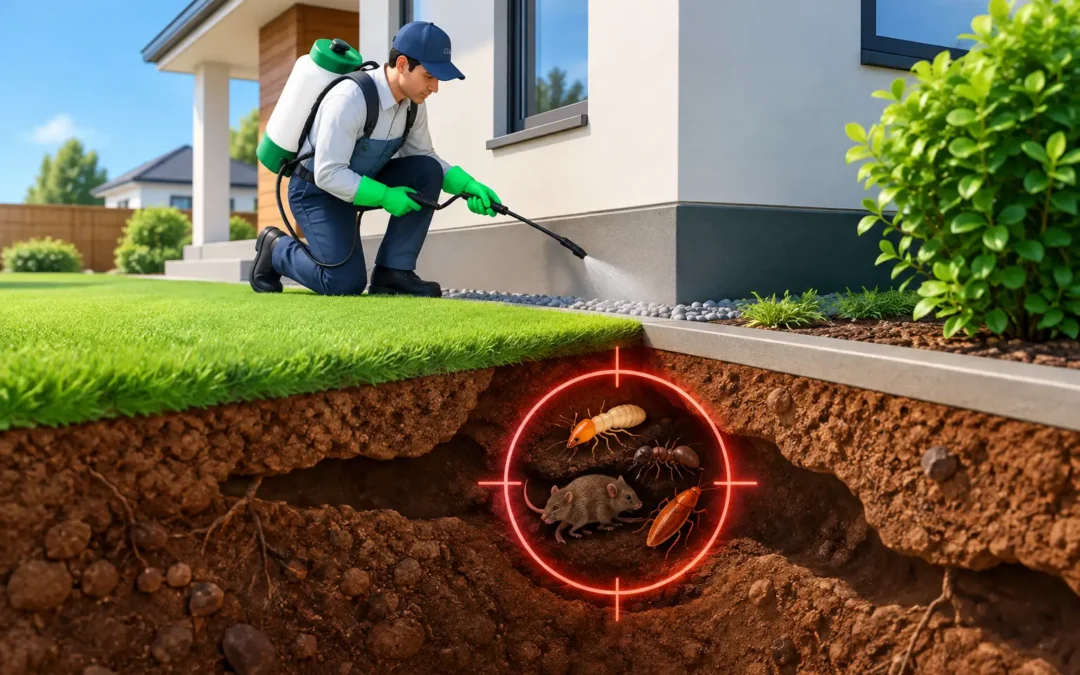
A mouse in the kitchen, cockroaches behind the fridge, or bites that appear overnight can turn a normal day into an urgent problem. Effective pest control is not about spraying a product and hoping for the best. It means identifying the pest, finding how it got in, treating the active issue, and reducing the chance it returns.
For homeowners, tenants, landlords, and business owners, speed matters. Pests can contaminate food, damage property, affect customer confidence, and create stressful living conditions. The right response is practical, targeted, and fast.
When Pest Control Cannot Wait
Some pest issues can be monitored for a short time. A single spider or fly does not always mean there is an infestation. But repeated sightings, droppings, bites, unusual odors, property damage, or pests appearing during the day are signs that the issue may be established.
Rodents, bed bugs, cockroaches, wasps, hornets, fleas, and ticks deserve quick attention. Mice and rats can chew wiring, insulation, and stored goods while leaving droppings in kitchens, basements, garages, and commercial storage areas. Cockroaches spread easily through walls, pipes, and shared spaces. Bed bugs can move from room to room or unit to unit, making delays costly in homes, apartments, hotels, and rental properties.
Wasps and hornets are different because the immediate concern is stings. Do not try to knock down an active nest or block its entrance. Disturbing a colony can cause a defensive swarm, especially around rooflines, sheds, decks, and wall voids.
Call for professional help promptly when you see any of the following:
- Live pests appearing repeatedly, especially in daylight
- Droppings, gnaw marks, greasy rub marks, shed skins, or egg cases
- Bites, itching, or blood spots on bedding
- A nest near a doorway, play area, or outdoor work space
- A pest issue in a restaurant, office, retail location, rental building, or other shared property
Early treatment is usually simpler than waiting until pests spread through more rooms or neighboring units.
What Professional Pest Control Should Include
A reliable treatment starts with inspection. The technician should identify the pest and look beyond the obvious sighting. A cockroach seen in a bathroom may be coming from a plumbing opening. Ants near a window may be following moisture or a food source. Rodents may be entering through a gap smaller than most people expect.
After inspection, the treatment plan should fit the pest, the property, and the level of activity. This matters because one approach does not solve every problem. Bed bugs may require detailed room preparation, targeted treatment, and follow-up service. Rodent control often requires trapping, exclusion work, and sanitation changes. Ant control may involve treating trails and nesting areas rather than only the ants visible on the counter.
Good service also explains what you need to do before and after treatment. Depending on the situation, this may mean clearing cabinet areas, laundering bedding, reducing clutter, moving furniture slightly away from walls, securing food, or keeping pets away from treated areas for a specified period. Clear instructions help the treatment work as intended.
At Super Pest Control, experienced technicians use integrated pest management methods to address active pests while focusing on the conditions that allow them to survive. That can include targeted treatments, monitoring, sanitation guidance, and recommendations for closing entry points. Eco-friendly options can be part of the plan, but the best method still depends on the pest and the severity of the infestation.
Why DIY Treatments Often Fall Short
Store-bought products can be useful for a minor, isolated issue. A fly trap, a sealed food container, or a small amount of ant bait may help in the right situation. The problem is that visible pests are often only a fraction of the activity.
Over-the-counter sprays may kill insects on contact without reaching eggs, hidden harborages, or the nest. Spraying the wrong product in the wrong place can also push pests deeper into walls, furniture, or neighboring units. With bed bugs and cockroaches, incomplete treatment is a common reason infestations keep coming back.
DIY rodent control has similar limits. Removing one mouse does not solve an opening around a utility line, damaged weather stripping, or a food source in a garage. Poison should never be used casually, particularly in homes with children, pets, or wildlife nearby. A dead rodent in a wall can also create an odor problem that is harder to manage than the original sighting.
Professional pest control costs money, but delaying an expanding infestation can cost more. For landlords and commercial operators, fast action may also protect tenants, customers, inventory, and reputation.
Prevent Pests From Returning
Treatment handles the active problem. Prevention reduces the conditions pests rely on next. Small property changes can make a meaningful difference, especially when they are maintained over time.
Start with food, water, shelter, and access. Keep dry goods in sealed containers, wipe crumbs and spills promptly, and avoid leaving pet food out overnight. Repair leaking pipes, improve drainage around the building, and reduce standing water near patios, bins, and outdoor equipment. In kitchens and break rooms, regular cleaning behind appliances is often more valuable than people realize.
Seal cracks around pipes, vents, cables, windows, and doors. Replace damaged door sweeps and repair torn screens. Keep exterior garbage containers closed, and move stacked wood, cardboard, and dense vegetation away from the building where possible. These steps do not guarantee a pest-free property, but they make a building less attractive and reduce easy entry routes.
In apartments, condos, and commercial buildings, prevention requires coordination. One unit can be clean and still experience pests traveling through shared walls, plumbing routes, garbage rooms, or loading areas. Property managers should document sightings, respond quickly, and arrange treatment across affected areas when needed instead of treating each complaint as an isolated event.
Choosing the Right Pest Control Company
When the issue is urgent, it is tempting to choose the first company that answers. Ask a few direct questions before booking. Confirm that the provider is licensed, experienced with your specific pest, clear about pricing, and willing to explain the treatment process. You should know whether follow-up is recommended and what preparation is required.
Look for a company that does not promise a magic one-visit solution for every infestation. Some pest problems can be resolved quickly. Others need follow-up because eggs hatch later, pests move through a large structure, or conditions on the property need correction. Honest guidance is more valuable than an unrealistic guarantee.
For homes and businesses in Hamilton, Burlington, Grimsby, Stoney Creek, and Ancaster, local experience can help because technicians understand common seasonal patterns and the pest pressures found in urban and suburban properties. Availability matters too. A wasp nest near a door, a rat in a restaurant, or suspected bed bugs in a rental unit should not wait days for an assessment.
Take the Next Practical Step
If you are seeing pests repeatedly, do not wait for the problem to become harder and more expensive to control. Take a few clear photos if it is safe, note where and when you are seeing activity, and arrange a professional inspection or free estimate. Fast action gives you the best chance to protect your property, your comfort, and the people who depend on the space.