

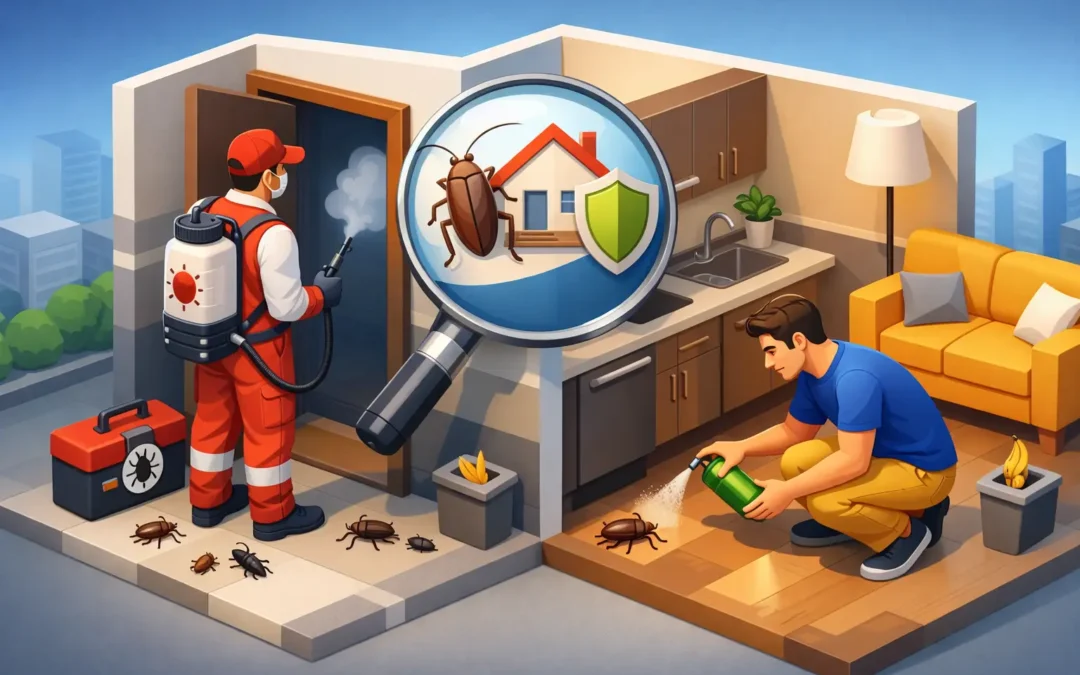
A cockroach in the kitchen, scratching in the walls, or bites that appear overnight can turn a rental home into an urgent problem. Tenant pest control responsibility is not always as simple as “the tenant pays” or “the landlord pays.” The answer usually comes down to the lease, local housing rules, the type of pest, and what caused the infestation.
The most effective move is to report the problem immediately, in writing, before a small issue becomes a building-wide infestation. Waiting can make treatment harder, increase costs, and create unnecessary disputes over who is responsible.
Tenant Pest Control Responsibility: The Basic Rule
In most rental situations, landlords are expected to provide a habitable property. That generally means the unit should be structurally sound, sanitary, and free of existing pest infestations when a tenant moves in. If mice are entering through damaged siding, cockroaches are coming from another apartment, or bed bugs were already present, the property owner will often be responsible for arranging and paying for professional treatment.
Tenants also have responsibilities. A tenant is normally expected to keep the unit reasonably clean, dispose of garbage properly, avoid bringing known pests into the home, and report pest activity promptly. If an infestation is directly linked to tenant-caused conditions, the tenant may be charged for treatment under the lease or local law.
That does not mean every pest issue is the tenant’s fault. Pests can enter even clean homes. Rats and mice use gaps around pipes, vents, doors, foundations, and utility lines. Ants follow moisture and food sources. Bed bugs can be brought in through luggage, furniture, visitors, shared laundry rooms, or neighboring units. The cause matters more than assumptions.
When the Landlord Is Usually Responsible
Landlord responsibility is common when pests are tied to property conditions or the infestation affects more than one unit. A landlord may be responsible when there are cracks, holes, water leaks, unsealed garbage areas, damaged screens, or other conditions that allow pests to enter and thrive.
For example, a tenant may report mice in a basement apartment. If the inspection finds openings around utility pipes and a damaged exterior vent, the solution is more than setting a few traps. The entry points need to be sealed, and the rodents need to be removed. Those building repairs typically fall on the owner or property manager.
The same is true for cockroach activity that spreads through shared walls, plumbing lines, hallways, trash rooms, or adjacent units. Treating only one apartment may reduce visible activity for a short time, but it often fails to solve the source. Coordinated treatment and sanitation measures across affected areas are usually necessary.
Bed bugs require special care. A tenant may have no clear way to prove where they came from, especially in multi-unit housing. Because bed bugs move easily between rooms and apartments, fast reporting and a professional inspection are critical. Delays allow them to spread, which can raise treatment costs for everyone.
When a Tenant May Be Responsible
A tenant may be responsible if there is clear evidence that their actions caused or worsened the infestation. This can include repeatedly leaving food waste exposed, allowing overflowing garbage to remain indoors, failing to report a known problem, or bringing in infested furniture after being warned of the risk.
Still, responsibility should be based on facts, not frustration. A landlord should not automatically blame a tenant for seeing a single ant, mouse, or cockroach. Pest activity needs to be inspected in context. A clean unit can have pests because of a neighboring unit, a building defect, seasonal pressure, or an untreated common area.
Lease language can also affect costs. Some leases state that tenants are responsible for pest control caused by negligence, while others require the landlord to handle all pest treatment. Read the pest-control section carefully, but remember that a lease does not always override local housing and health requirements.
What Tenants Should Do the Moment They See Pests
Do not wait until the problem feels severe. Take a clear photo or video if possible, note the date and location, and notify the landlord or property manager in writing. An email or maintenance request creates a record and gives the owner a chance to respond.
Your report should be specific. Instead of writing, “I saw bugs,” explain whether you saw small brown cockroaches under the sink, droppings in a pantry, bites after sleeping, or scratching noises near a wall. Include where the activity is happening and how often you have noticed it.
While waiting for treatment, tenants should avoid actions that interfere with control efforts. Do not use foggers, bug bombs, or random store-bought chemicals without guidance. These products can push cockroaches deeper into walls, create unnecessary exposure indoors, and make a professional inspection more difficult.
For rodents, store food in sealed containers, keep garbage covered, and avoid leaving pet food out overnight. For bed bugs, do not move bedding, furniture, or clothing into other rooms or shared spaces. Moving items can spread the infestation. Follow the technician’s preparation instructions exactly, especially for bed bug and cockroach treatments.
What Landlords and Property Managers Need to Do
A fast response protects the building, the tenant, and the owner’s budget. Once a report comes in, the property manager should document the complaint, inspect the unit or arrange a licensed professional inspection, and determine whether the issue may involve adjacent units or common areas.
The most reliable approach is integrated pest management. That means identifying the pest, locating entry points or harborage areas, addressing sanitation and moisture conditions, applying targeted treatment, and scheduling follow-up service when needed. It is more effective than treating symptoms alone.
Property owners should also communicate clearly. Tell the tenant when service is scheduled, what preparation is required, whether they need to leave temporarily, and what steps will happen after treatment. A tenant cannot cooperate with a plan they do not understand.
For multi-unit properties, a single untreated apartment can undermine the entire program. Cockroaches, bed bugs, rodents, ants, and flies do not respect lease boundaries. When activity is connected across units, coordinated inspection and treatment are often the only practical answer.
Common Pest Situations and Why They Differ
Not every pest creates the same responsibility question. The pest’s behavior changes the investigation.
- Mice and rats: Often point to structural gaps, exterior access, food sources, or poor waste management. Exclusion work is usually as important as trapping or removal.
- Cockroaches: May be linked to sanitation, but they also spread through plumbing and shared walls. In apartment buildings, the source may extend beyond one unit.
- Bed bugs: Can arrive through travel, used furniture, visitors, or neighboring units. Fault is often difficult to establish, so immediate reporting matters most.
- Ants: Frequently enter because of moisture, weather, or accessible food. A small seasonal trail may need a different response than a nest inside a wall.
- Wasps and hornets: If a nest is attached to the building or located in a wall, roofline, or shared outdoor area, removal is generally a property-level safety issue.
How to Avoid a Costly Dispute
The best protection for both tenants and landlords is documentation. Tenants should keep copies of reports, photos, treatment notices, and messages with the property manager. Landlords should keep inspection notes, service reports, tenant communications, and records of repairs made to prevent re-entry.
Avoid accusations before the facts are clear. Calling a tenant dirty or claiming an owner ignored a problem can make cooperation harder and delay treatment. A qualified technician can identify pest signs, likely travel routes, conditions that support activity, and the steps needed for control.
If the issue becomes a dispute, review the lease and contact the relevant local housing authority, tenant organization, or legal professional for guidance. Pest rules vary by state, city, and type of property, so general information cannot replace advice for a specific rental situation.
A pest problem rarely improves by being ignored. Report it quickly, keep the evidence, follow treatment instructions, and insist on a plan that addresses the source – not just the pests you can see. Fast, professional action gives tenants a safer home and gives property owners the best chance of stopping a small problem before it becomes an expensive one.