

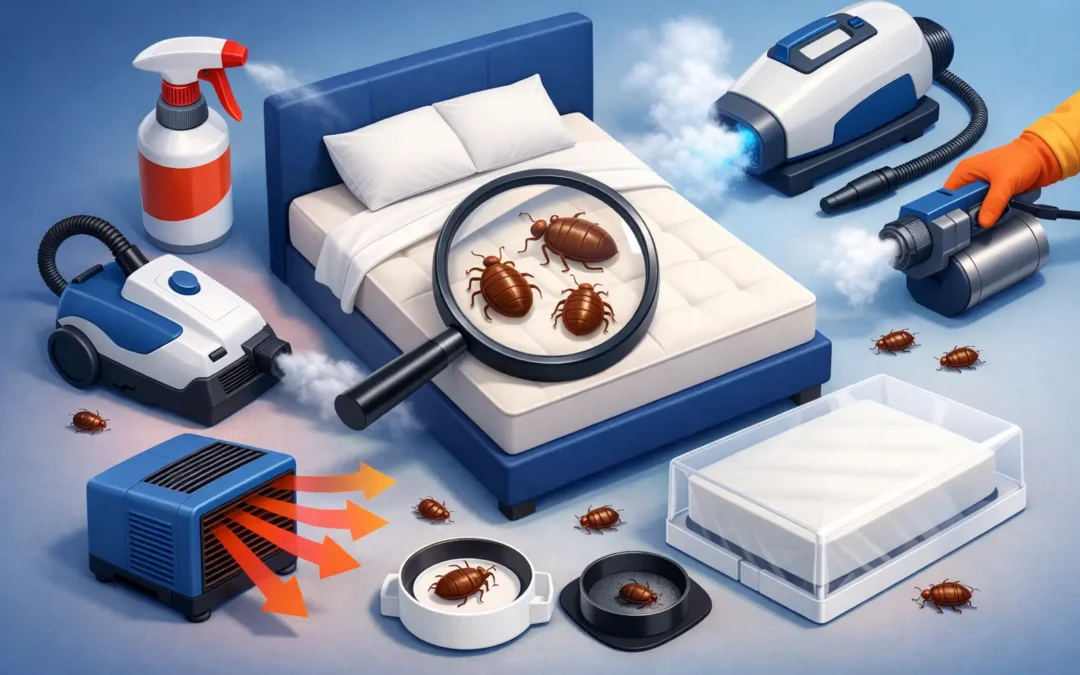
A few bites can turn a normal morning into a stressful inspection of every mattress seam, couch cushion, and suitcase. The best bed bug treatment options are not usually one product or one quick spray. They are a targeted plan that reaches live bugs, hidden eggs, and the places where bed bugs travel between rooms.
Bed bugs are difficult because they hide in narrow cracks near where people sleep, feed briefly, and can survive for months without a meal. They can also spread through apartment buildings, hotels, offices, and shared laundry areas. Acting quickly limits the infestation, reduces treatment costs, and makes it far less likely that bugs will move into other rooms.
Best Bed Bug Treatment Options for Active Infestations
The right treatment depends on how widespread the infestation is, the type of property, and whether there are vulnerable residents, pets, or neighboring units to consider. Professional inspections are valuable because bed bug activity is often larger than what is visible on the bed.
Professional heat treatment
Heat treatment is one of the fastest and most effective ways to eliminate bed bugs throughout a room. Technicians use specialized equipment to raise the temperature to a level that kills bed bugs at every life stage, including eggs. The heat must reach mattresses, furniture joints, baseboards, closets, and other hiding areas for the treatment to work.
This option is especially useful when an infestation is heavy, when bugs are found in several rooms, or when fast results matter. It can often be completed in a single day, with careful preparation and monitoring. The trade-off is cost: whole-room or whole-home heat treatment is typically more expensive than a basic chemical service. It also requires residents to remove heat-sensitive belongings and follow preparation instructions closely.
Heat should not be confused with turning up a home thermostat, using a space heater, or aiming a hair dryer at a mattress. Those methods do not heat hiding places evenly and can create a serious fire risk.
Targeted professional insecticide treatment
Professional insecticide treatment remains a dependable solution when it is applied correctly and combined with detailed inspection. Certified technicians use products designed for cracks, crevices, bed frames, baseboards, furniture, and other bed bug harborages. Different products may be used to handle adult bugs, newly hatched nymphs, and ongoing activity after the initial visit.
A chemical program often requires follow-up service. That is not a sign the treatment failed. Bed bug eggs may hatch after the first application, and some bugs may be sheltered deep inside furniture or wall gaps. Follow-up visits allow the technician to inspect again, treat active areas, and confirm the infestation is ending.
This approach can be more affordable than full heat treatment and works well in many homes and apartments. The downside is that it requires patience, preparation, and cooperation. Moving to another room to sleep, skipping follow-up appointments, or using random store-bought sprays can scatter bed bugs and slow the process.
Steam treatment for mattresses and furniture
High-temperature steam can kill bed bugs and eggs on contact when used properly. It is helpful for mattress seams, upholstered furniture, bed frames, carpet edges, and other accessible areas where chemicals may not be the first choice. Steam is often used as part of an integrated professional treatment plan rather than as the only solution.
The limitation is reach. Steam only works where the heat directly contacts the bugs, and bed bugs hiding deep inside walls, outlets, furniture cavities, or clutter can survive. Excess moisture can also damage materials or encourage mold if applied carelessly. A consumer steamer may help with limited spot treatment, but it is rarely enough to solve an established infestation alone.
Mattress encasements and interceptor traps
Bed bug-proof mattress and box spring encasements trap any bugs already inside and remove many hiding places from the equation. Bed-leg interceptor traps can catch bed bugs as they climb up or down from the bed. These tools are practical for monitoring activity and protecting a sleeping area during treatment.
They are not stand-alone extermination methods. Encasements do not remove bed bugs from nightstands, couches, wall cracks, or other rooms. Still, they are a smart addition to a professional plan because they make inspections easier and help prevent bites while treatment is underway.
Why Do-It-Yourself Bed Bug Treatments Often Fail?
Many people start with aerosol sprays, bug bombs, essential oils, or online home remedies. The urgency is understandable, but these options frequently make the situation harder. Bed bugs can avoid treated surfaces, move farther into the home, and develop resistance to some common insecticides.
Foggers and bug bombs are a particularly poor choice for bed bugs. The pesticide mist does not reliably penetrate the tight spaces where bed bugs hide. It can push bugs into walls and neighboring rooms while exposing people and pets to unnecessary chemicals.
Washing and drying bedding is useful, but it only treats washable items. Place linens and clothing in sealed bags before moving them through the home, then use a high-heat dryer cycle when the fabric allows it. Afterward, store cleaned items in fresh sealed bags or bins until treatment is complete. Avoid carrying loose clothing, pillows, or blankets into unaffected rooms.
Vacuuming can reduce visible bugs, shed skins, and eggs around seams and cracks. Use a crevice attachment on bed frames, furniture joints, baseboards, and nearby flooring. Empty the vacuum contents into a sealed bag, place it in an outdoor trash container, and clean the vacuum afterward. It is a useful support step, not a complete cure.
How to Choose the Right Bed Bug Treatment
Start with the scope of the problem. A few confirmed bugs in one bedroom may respond well to a targeted treatment program with follow-up visits. Bugs in multiple bedrooms, upholstered furniture, or a commercial setting may call for a broader heat or integrated treatment strategy.
Your living situation also matters. Renters should notify the landlord or property manager immediately, since bed bugs can move between units and local lease or housing rules may determine who arranges treatment. Property managers need a coordinated response that includes inspections of adjacent units when appropriate. In a hotel, office, or retail space, fast professional action protects customers, staff, and reputation.
Ask the pest control provider how they inspect, what preparation is required, whether follow-up is included, and how they verify results. A trustworthy company should explain the treatment process in plain language, not promise that a single spray will solve every infestation. They should also provide clear safety instructions for children, pets, medications, aquariums, and sensitive belongings.
Cost matters, but the cheapest quote is not always the lowest-cost outcome. An incomplete treatment can allow bed bugs to return, spread, and require more service later. Look for trained, licensed technicians, a documented treatment plan, and pricing that is clear before work begins.
Preparation That Makes Treatment More Effective
Preparation is one of the biggest reasons bed bug treatments succeed or fail. Your technician will provide property-specific instructions, but the goal is consistent: reduce clutter, give access to hiding places, and prevent bugs from being carried to clean areas.
Do not throw away a mattress or furniture before speaking with a professional. Discarded items can spread bed bugs through hallways, elevators, or pickup areas, and replacing furniture before the infestation is controlled can simply give the bugs a new place to hide. In many cases, mattresses and furniture can be treated and kept.
Keep the bed in its usual location unless instructed otherwise. Pull it slightly away from the wall, avoid letting bedding touch the floor, and do not sleep on the couch. Bed bugs follow people. Changing sleeping locations can encourage them to spread beyond the original room.
For homeowners, tenants, and businesses in Hamilton, Burlington, Grimsby, Stoney Creek, or Ancaster, Super Pest Control can assess the activity and recommend a practical treatment plan. With more than 10,000 bed bug and cockroach treatments completed, trained technicians focus on fast, targeted service rather than guesswork.
When to Call a Bed Bug Professional Right Away
Call for help as soon as you confirm a live bed bug, find repeated signs around a sleeping area, or continue getting unexplained bites after checking bedding and furniture. Small dark spotting on mattress seams, pale shed skins, tiny eggs, and a sweet musty odor in heavier infestations are all reasons for a professional inspection.
You should also act immediately if you live in a multi-unit building, manage rental properties, operate guest accommodations, or have already tried a DIY product without success. Waiting gives bed bugs more time to reproduce and move.
The most helpful next step is simple: contain what you can, avoid spreading belongings room to room, and get a clear treatment plan before the problem grows. Fast, careful action is what turns a stressful bed bug discovery into a manageable repair.